The Importance of Balanced Nutrition in Your Daily Life
Balanced nutrition is the foundation of good health. It provides the essential nutrients your body needs to function optimally, maintain energy levels, support immune function, and prevent chronic diseases. In this article, we'll explore what balanced nutrition means, its key components, and how you can incorporate it into your daily life.
What is Balanced Nutrition?
Balanced nutrition refers to consuming a variety of foods in the right proportions to provide your body with all the nutrients it needs. This includes:
- Macronutrients: Carbohydrates, proteins, and fats - these are the nutrients your body needs in large quantities
- Micronutrients: Vitamins and minerals - these are needed in smaller quantities but are equally important
- Water: Essential for hydration and all bodily functions
- Fiber: Important for digestive health and maintaining a healthy weight
A balanced diet should include a variety of foods from all food groups, including fruits, vegetables, whole grains, lean proteins, and healthy fats.
The Benefits of Balanced Nutrition
Eating a balanced diet has numerous benefits for your overall health and well-being:
- Maintains Healthy Weight: A balanced diet helps you maintain a healthy weight by providing the right amount of calories and nutrients without excess
- Increases Energy Levels: The right balance of nutrients provides sustained energy throughout the day
- Supports Immune Function: Adequate vitamins and minerals help your immune system fight off infections and diseases
- Improves Mental Health: Certain nutrients, like omega-3 fatty acids and B vitamins, support brain health and can improve mood and cognitive function
- Reduces Risk of Chronic Diseases: A balanced diet low in processed foods, sugar, and saturated fats can help prevent heart disease, diabetes, and certain types of cancer
- Promotes Digestive Health: Fiber-rich foods support a healthy digestive system and prevent constipation
- Supports Growth and Development: Essential for children, teenagers, and pregnant women to support proper growth and development
Key Components of a Balanced Diet
1. Fruits and Vegetables
Fruits and vegetables are rich in vitamins, minerals, fiber, and antioxidants. They should make up about half of your plate at each meal. Aim for a variety of colors to ensure you're getting a wide range of nutrients.
- Recommended: 5 or more servings per day
- Examples: Apples, bananas, berries, leafy greens, broccoli, carrots, sweet potatoes
2. Whole Grains
Whole grains contain the entire grain kernel, including the bran, germ, and endosperm. They're rich in fiber, B vitamins, and other essential nutrients.
- Recommended: At least half of your grain intake should be whole grains
- Examples: Whole wheat bread, brown rice, oats, quinoa, barley
3. Lean Proteins
Protein is essential for building and repairing tissues, making enzymes and hormones, and supporting immune function. Choose lean sources to minimize saturated fat intake.
- Recommended: 5-6.5 ounces per day, depending on age, gender, and activity level
- Examples: Chicken, turkey, fish, eggs, legumes, tofu, tempeh, Greek yogurt
4. Healthy Fats
Fats are essential for absorbing fat-soluble vitamins, providing energy, and supporting cell growth. Choose unsaturated fats over saturated and trans fats.
- Recommended: 20-35% of daily calories from fat
- Examples: Avocados, nuts, seeds, olive oil, fatty fish like salmon and mackerel
5. Dairy or Dairy Alternatives
Dairy products are rich in calcium, vitamin D, and protein. If you don't consume dairy, choose fortified alternatives like almond milk, soy milk, or coconut milk.
- Recommended: 3 cups per day for adults
- Examples: Milk, yogurt, cheese, fortified plant-based milks
6. Water
Water is essential for all bodily functions, including regulating body temperature, transporting nutrients, and removing waste. Aim to drink at least 8 glasses of water per day, more if you're active or in hot weather.
Tips for Achieving Balanced Nutrition
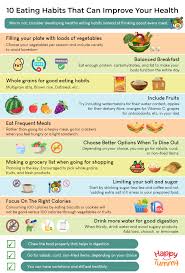
Incorporating balanced nutrition into your daily life doesn't have to be complicated. Here are some simple tips to get started:
- Plan Your Meals: Take time to plan your meals for the week to ensure you have a variety of nutritious foods on hand
- Fill Half Your Plate with Fruits and Vegetables: This is an easy way to ensure you're getting enough of these nutrient-rich foods
- Choose Whole Grains: Opt for whole grain bread, pasta, and rice instead of refined versions
- Include Protein at Every Meal: Protein helps keep you feeling full and supports muscle growth and repair
- Limit Processed Foods: Processed foods are often high in sugar, salt, and unhealthy fats
- Stay Hydrated: Drink water throughout the day, and limit sugary drinks like soda and juice
- Moderation is Key: You don't have to eliminate your favorite foods entirely - just enjoy them in moderation
- Read Food Labels: Pay attention to serving sizes, ingredients, and nutrient content when choosing packaged foods
- Cook at Home: Cooking your own meals gives you control over the ingredients and portion sizes
- Listen to Your Body: Eat when you're hungry and stop when you're full
Common Myths About Balanced Nutrition
There are many myths and misconceptions about nutrition. Here are some common ones to be aware of:
- Myth: All fats are bad for you. Fact: Some fats are essential for good health. Focus on healthy fats like those found in avocados, nuts, and olive oil.
- Myth: Carbohydrates make you gain weight. Fact: Carbs are an important energy source. Choose whole grains and limit refined carbs.
- Myth: You need to eat meat to get enough protein. Fact: Plant-based sources like legumes, tofu, and quinoa are excellent sources of protein.
- Myth: Supplements can replace a healthy diet. Fact: While supplements can help fill nutrient gaps, they can't replace the benefits of a balanced diet.
- Myth: Skipping meals helps you lose weight. Fact: Skipping meals can lead to overeating later and nutrient deficiencies.
Conclusion
Balanced nutrition is essential for good health and well-being. By incorporating a variety of foods from all food groups into your diet, you can ensure your body gets all the nutrients it needs to function optimally. Remember that small changes can make a big difference, and consistency is key. Start by making one or two healthy changes to your diet, and gradually build on them over time.